
Montenegro and Bosnia and Herzegovina are outside the EU and Schengen, so Kotor, Mostar and Medjugorje need a passport; Split, Ston, Korčula, Mljet and Plitvice do not. What to carry, how long borders take and what the Schengen 90-day rule means for you.
Dubrovnik sits on a thin strip of Croatia between two non-EU countries, which is why half of the classic day trips cross a border. Going south and east you need your passport, going north you do not.
Trips that need a passport
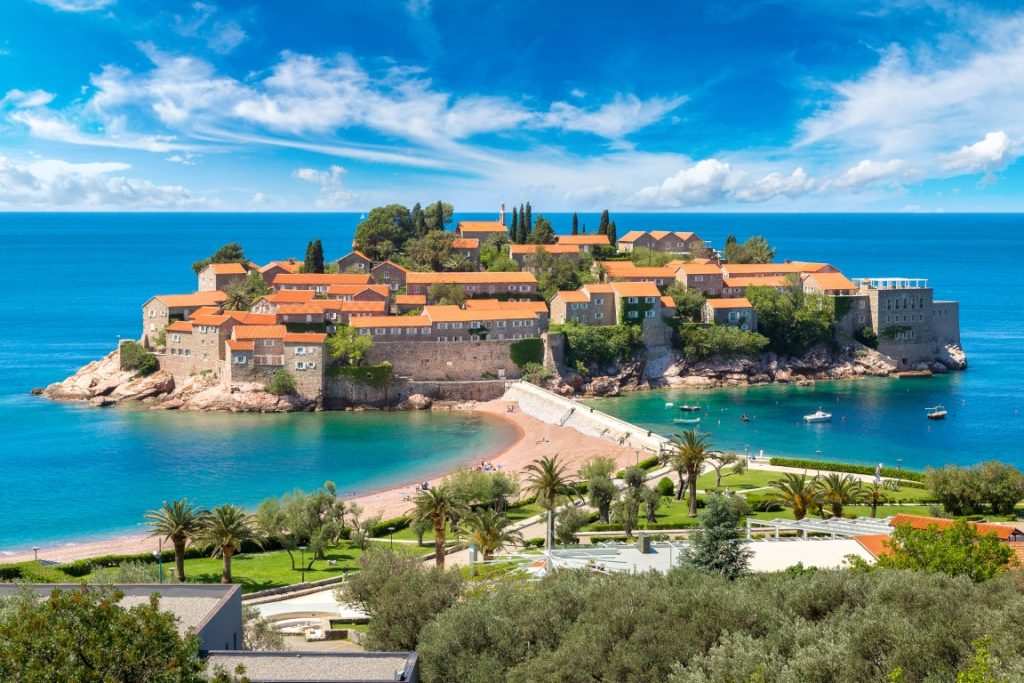
- Montenegro: Kotor, Perast, Budva, Tivat Airport, Sveti Stefan. Border at Karasovići/Debeli Brijeg or Konfin.
- Bosnia and Herzegovina: Mostar, Medjugorje, Kravice, Počitelj, Blagaj, Sarajevo, Trebinje. Border near Metković (Nova Sela/Bijača) or at Ivanica above Dubrovnik.
EU citizens can cross with a national identity card. Everyone else needs a passport valid for the stay; visitors from the US, UK, Canada, Australia and New Zealand need no visa for short visits to either country. Children need their own document, a parent's passport does not cover them.
Trips that stay in Croatia
- Split, Trogir, the Makarska Riviera, Ston, Pelješac, Korčula, Mljet, Cavtat, Trsteno and Plitvice Lakes. Since the Pelješac bridge opened in 2022 the road north no longer passes through the Neum corridor, so there are no border checks at all. Carry ID as you would anywhere, but nothing is stamped.
The Schengen 90-day rule
Croatia joined Schengen in 2023. If you are a non-EU visitor counting your 90 days in any 180, a day in Montenegro or Bosnia is a day outside Schengen. Since April 2026 the EU's Entry/Exit System has recorded each exit and return with a photo and fingerprints instead of passport stamps. For most holidaymakers this only means a little more time at the first crossing; for anyone close to the 90-day limit it is worth knowing.
How long do the borders take?
Ten minutes off season. In July and August the Montenegro crossing can take 30 to 60 minutes in the morning rush and again in the late afternoon; the Bosnian crossings are usually quicker. Our drivers leave early, choose the crossing that is moving on the day and use the bus lane where private transfers are allowed to. Passports are handed to the driver in a bundle and checked in the car.
Small things that save time
- Keep passports in your hand luggage, where you can reach them at the booth.
- Montenegro uses the euro; Bosnia uses the convertible mark, but euros are accepted almost everywhere and change comes in marks.
- Mobile data: EU roaming does not cover either country. Buy a day pass or switch to Wi-Fi; the driver knows where the good coffee with Wi-Fi is.
- The driver takes care of the green card and the vehicle documents.